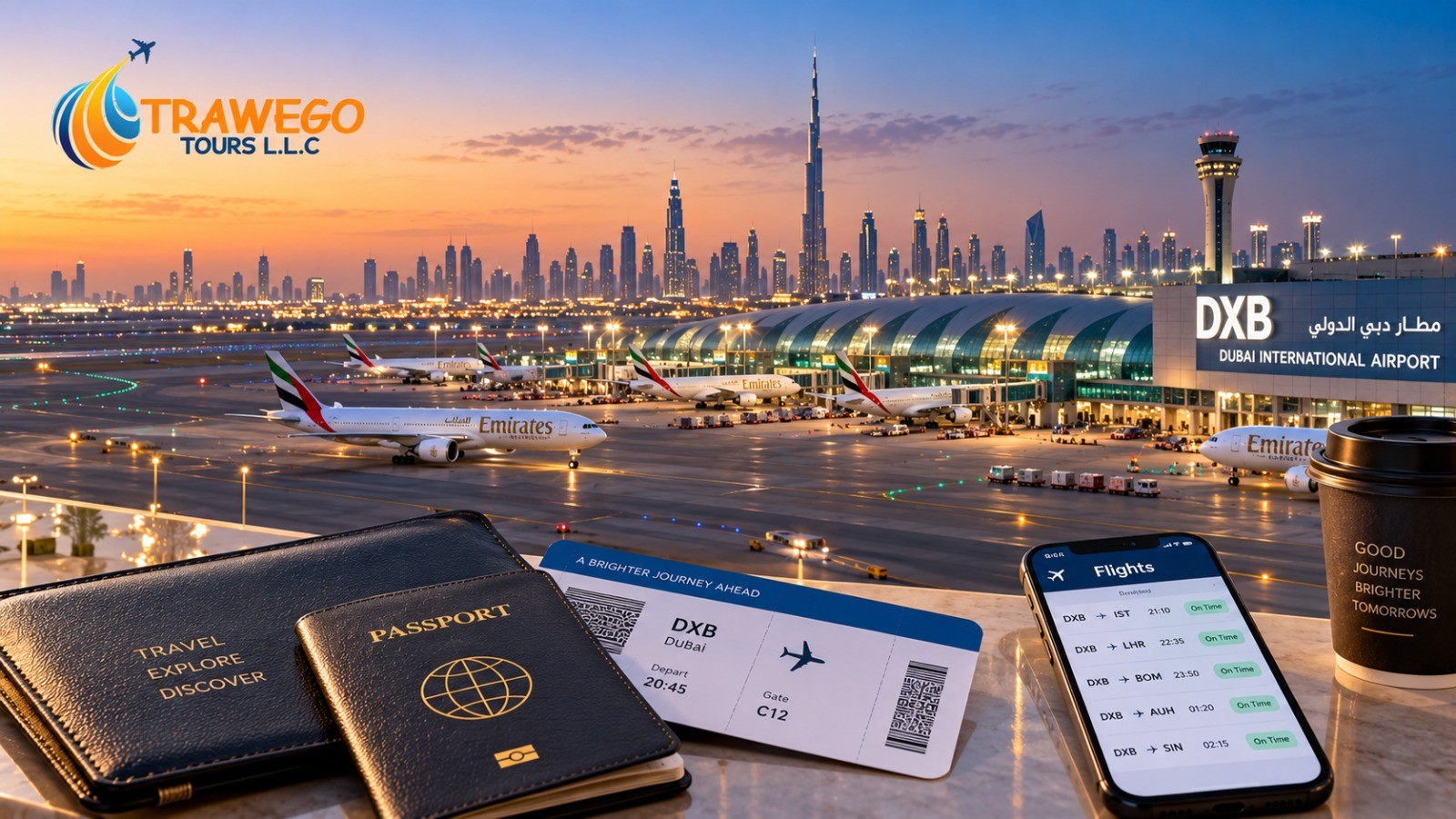

A Dubai layover can turn into a rushed airport wait or a short, memorable trip. The difference usually comes down to timing, visa planning, and knowing what is realistic between landing and your next boarding call. If you are wondering how to plan Dubai layover time properly, start by treating it like a mini-trip with strict limits, not a full vacation squeezed into a few hours.
Dubai is one of the easiest stopover cities to use well because the airport is connected to the city, the roads are efficient, and many major sights are within reasonable reach. But easy does not mean automatic. A six-hour layover and a sixteen-hour layover require two completely different plans, and the wrong one can leave you stressed, over budget, or back at the gate later than you should be.
How to plan Dubai layover based on time
The first decision is simple – should you leave the airport at all? That depends less on your total layover and more on your usable time. Usable time means the hours left after deplaning, immigration, baggage handling if needed, travel into the city, return travel, security, and boarding buffer.
If your layover is under 6 hours, staying inside the airport is usually the safer call. Dubai International Airport is large, busy, and well-equipped, so a short connection can disappear quickly. Unless you already have a visa sorted, no checked baggage issue, and a very clear plan, going into the city may create more pressure than value.
If you have 6 to 8 hours, you may be able to do a quick city visit, but only if everything lines up well. This is the range where travelers often overestimate what they can fit in. You are not planning a full sightseeing day here. You are planning one focused experience, maybe two if they are close together.
With 8 to 12 hours, Dubai starts to make sense as a proper stopover city. You can leave the airport, visit a few nearby highlights, sit down for a meal, and return with a reasonable buffer. This is often the sweet spot for solo travelers, couples, and business passengers who want a real break from long-haul flying.
Once you have 12 hours or more, you can plan with much more confidence. At that point, a short hotel stay, a half-day city tour, or a relaxed itinerary becomes realistic. If the layover is overnight, getting a room can be a better decision than trying to force sightseeing while exhausted.
Check visa rules before you plan anything else
This is where many layover plans fail. A traveler builds the perfect itinerary, then realizes they cannot legally leave the airport or do not have enough time to process entry requirements. Your nationality, passport type, and route all matter, so visa eligibility should be confirmed before you book activities or transportation.
Some travelers can enter visa-free or get a visa on arrival. Others need pre-approved entry permission. If you need a visa in advance, do not leave this to the last minute just because your stay is short. A layover is still an entry into the UAE if you plan to pass immigration.
It is also worth checking whether your airline has any stopover support, but do not assume that airline transit and city entry are the same thing. They are not. If you want certainty, professional visa guidance can save time and avoid expensive mistakes, especially for families or travelers with tight onward departures.
Build your layover around the airport location
Dubai International Airport is close to central parts of the city, which is one reason layovers here can work well. Still, proximity does not remove traffic, terminal transfers, or queue times. The smartest way to plan is by choosing attractions clustered in one area rather than trying to cross the city for a checklist.
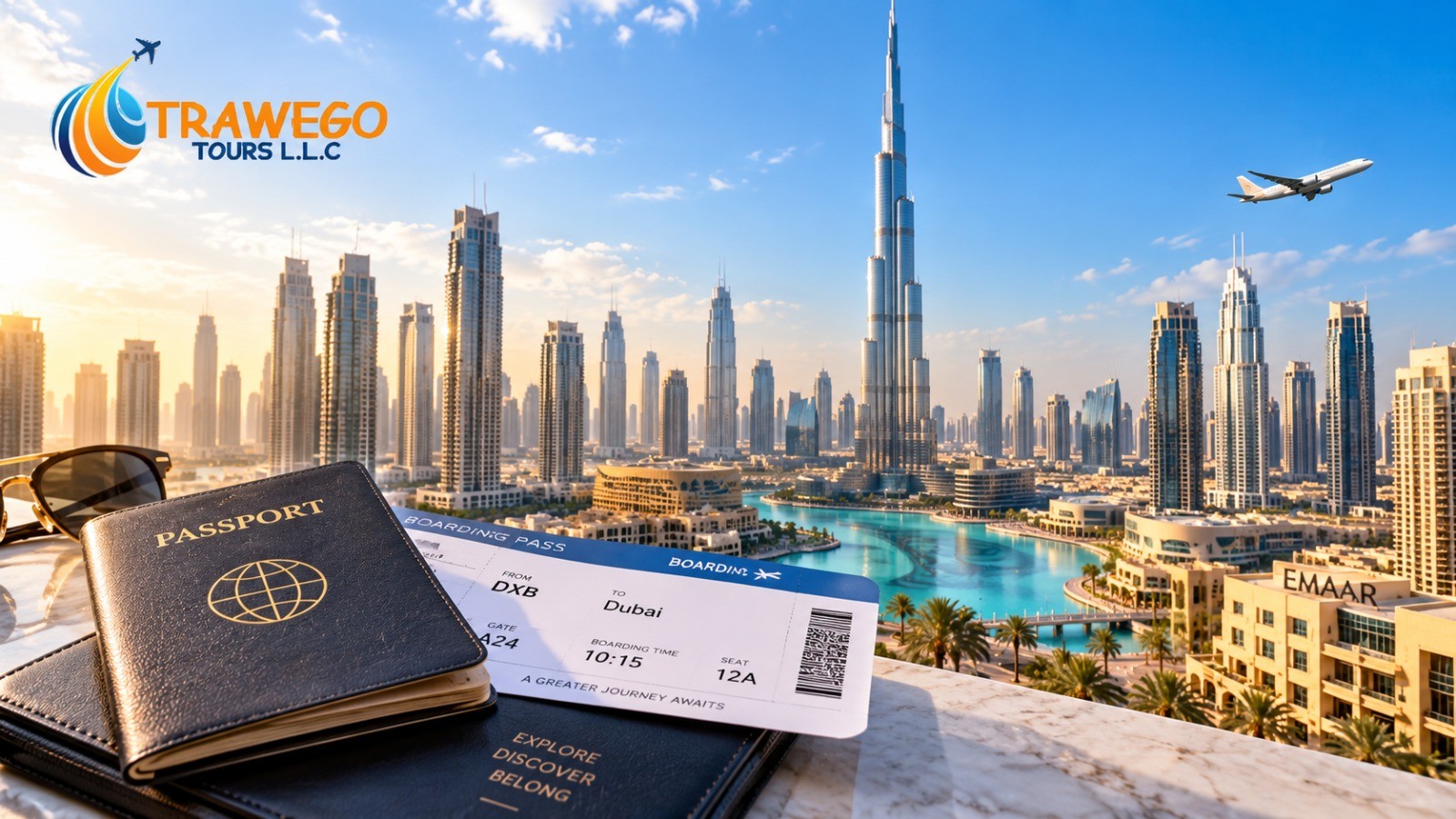
For a short layover, Downtown Dubai is the most common choice because it gives you a high-impact experience in one zone. You can see Burj Khalifa from outside, walk around Dubai Mall, and catch the fountain area if timing allows. That gives many first-time visitors the feeling that they actually saw Dubai, without spending the day in a taxi.
If you prefer something more traditional, Al Seef, Dubai Creek, or the old Dubai area can work well, especially if you want a cultural feel rather than a mall-based stop. This option can be a better fit for repeat travelers or anyone who wants a quieter experience.
Beach time sounds tempting, but it depends heavily on your layover length, weather, and baggage situation. It is doable with a longer stop, but less practical if you are carrying hand luggage, traveling with children, or arriving during peak heat.
Choose transportation with your return in mind
The Metro is affordable and efficient for many travelers, especially if your destination is on a direct route. It works well when you have moderate time, light luggage, and comfort using public transport in a new city. For budget-conscious travelers, it is often the right balance.
A taxi or private transfer is usually better when time is tight. It costs more, but it can cut decision-making and walking time, which matters on a layover. If you are traveling as a family or in a small group, the price difference may be worth the convenience.
What matters most is not how you leave the airport. It is how confidently you can get back. Always calculate your return plan before you start enjoying the city. Dubai is organized, but airport procedures still require discipline, especially on international departures.
What to do on a Dubai layover without overpacking the day
The best layover itinerary is rarely the longest one. It is the one with the fewest moving parts.
If you have around 8 hours, a practical plan might be airport to Downtown, one meal, one short walk, one viewpoint, then return. If you have 10 to 12 hours, you can combine two nearby neighborhoods or add a more relaxed sit-down experience. If you have an overnight layover, rest may be the smartest use of time, followed by one well-chosen morning or evening outing.
Try not to build an itinerary around timed tickets unless your layover is long and your arrival is predictable. Flights get delayed. Immigration lines vary. Even a well-run airport cannot guarantee the same timing every day. Flexibility protects your trip.
For families, simpler is better. Children do not enjoy rushed transfers, long taxi rides, and constant stop-start sightseeing. One destination with food, restrooms, air conditioning, and room to move is often more successful than three attractions squeezed into one connection.
Budget for convenience, not just cost
Layovers can become expensive when every decision is made at the last minute. Airport meals, taxis booked under pressure, and impulse shopping add up quickly. A little planning helps you decide where to spend and where to save.
If your main goal is to see Dubai briefly and comfortably, spending more on a faster transfer may make sense. If your goal is simply to break up a long trip, a lounge, short rest, and one nearby outing may be enough. There is no prize for maximizing every hour if it leaves you tired and anxious for your next flight.
This is also where guided assistance has value. Travelers who need visa support, hotel help, or a stopover arranged around fixed flight times often benefit from having one team manage the details. For time-sensitive travel, that extra structure can reduce risk more than a cheap self-planned option.
Common mistakes when planning a Dubai layover
The biggest mistake is confusing total layover time with free time in the city. A ten-hour layover does not mean ten sightseeing hours. Another common issue is forgetting to account for terminal procedures on the return, especially during busy travel periods.
Travelers also make the mistake of planning around too many landmarks spread across Dubai. The city is modern and well connected, but distances still matter. You will enjoy more by doing less.
Then there is the visa mistake – assuming you can sort it out on arrival or that transit status automatically permits entry. If your layover depends on leaving the airport, confirm your documents first and build the itinerary second.
When a managed layover plan makes sense
Not every traveler needs assistance. But if your schedule is tight, your visa situation is not straightforward, or you are traveling with family, elderly passengers, or first-time international flyers, support can make a clear difference.
A managed approach is especially useful when you want your stopover to include airport transfers, hotel booking, and visa processing without chasing multiple providers. That is where a service-focused travel partner such as Trawego fits naturally – not by making the layover bigger than it is, but by making it easier, faster, and more predictable.
A good Dubai layover is not about seeing everything. It is about making calm, informed choices with the time you actually have. Plan conservatively, protect your return buffer, and pick one version of Dubai you can enjoy properly. That is how a stop between flights starts feeling like part of the trip, not a problem to manage.