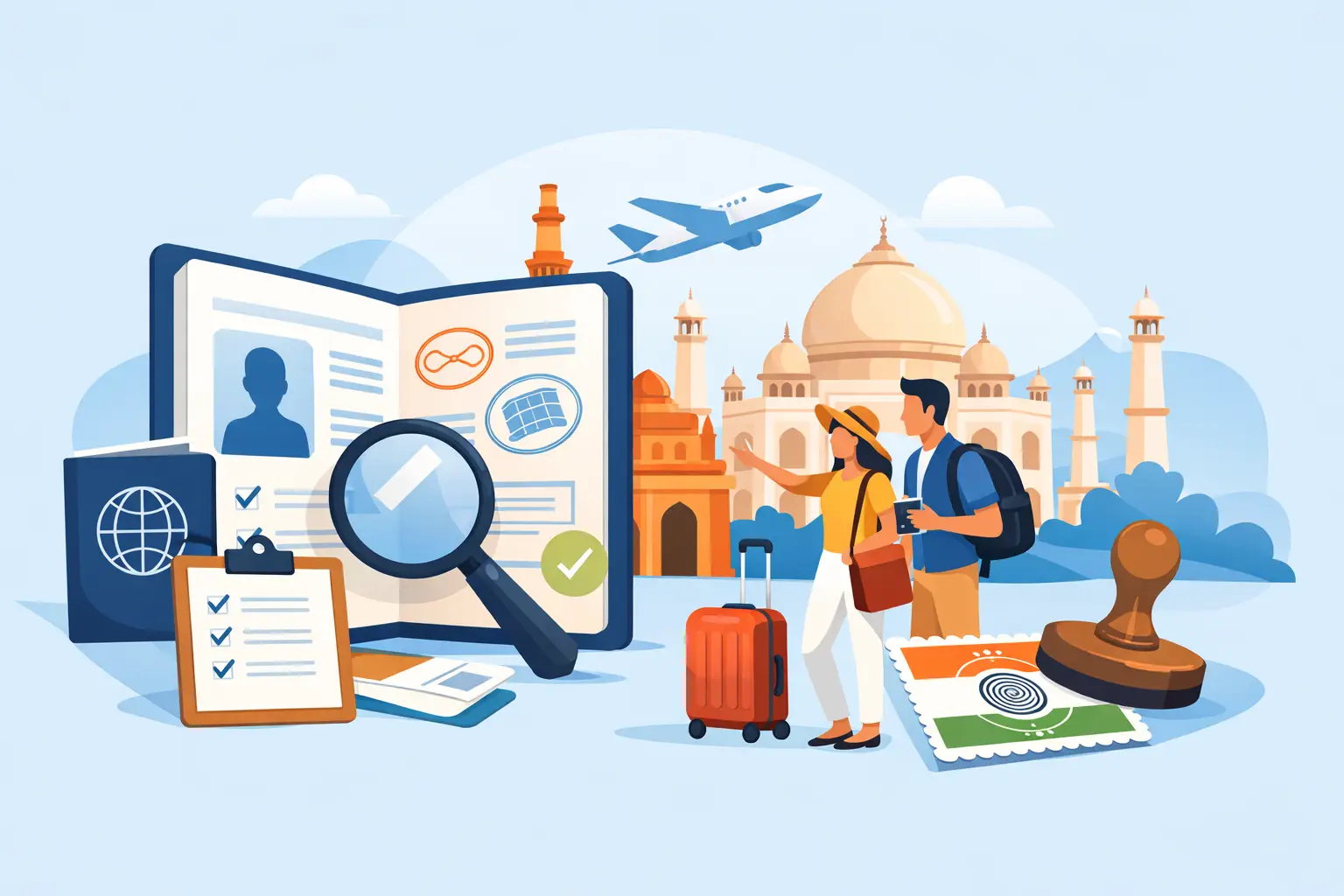
A flight to Delhi, Mumbai, Jaipur, or Goa may be easy to book. The part that deserves careful attention is India tourist visa processing. A small mismatch in a passport detail, an unclear photo, or an application submitted too close to departure can put an otherwise well-planned trip at risk.
For leisure travelers, the goal is not simply to complete a form. It is to submit a clean, accurate application early enough to leave room for review, questions, or changes. Here is what to prepare, how the process usually works, and where applicants most often lose time.
Start With the Right India Tourist Visa Route
India offers more than one route for visitors, and the right one depends on your nationality, passport type, trip purpose, and planned length of stay. Many eligible travelers apply for an electronic tourist visa, often called an e-visa. This is generally the most convenient option for short leisure visits because the application is submitted online and, once approved, the authorization is delivered electronically.
Some travelers may need to apply through an Indian embassy, consulate, or authorized visa center instead. This can apply when an e-visa is not available for their nationality, when their trip does not fit the e-visa conditions, or when they need a different visa category. Do not assume that a friend or family member’s visa path will be the same as yours. Rules can vary by nationality and can change.
A tourist visa is for tourism, sightseeing, visiting friends or relatives, and other permitted leisure activities. It is not a substitute for a work, business, student, medical, or long-term residence visa. Selecting the wrong purpose can lead to refusal or problems at the border, even if the rest of the application looks complete.
What You Need Before You Apply
The best applications are prepared before the online form is opened. Have your passport in front of you and enter every detail exactly as printed. Your name order, date of birth, passport number, nationality, place of birth, and passport issue and expiry dates must match the document precisely.
Most tourist visa applications require a passport with sufficient remaining validity and blank pages for immigration use. Exact requirements depend on the visa route and your nationality, so check the current conditions before paying. If your passport expires soon, renewing it before applying may be the safer choice. A visa approval tied to an old passport does not remove the need to travel with the passport used for the application.
You will commonly be asked for a clear color passport-style photograph and a scanned copy of your passport’s biographical page. Depending on the application, you may also need accommodation details, a return or onward itinerary, and information about your travel plans. Keep these records consistent. If your form says you will stay in Mumbai but your supporting itinerary shows only Kolkata, the reviewer may need clarification.
For travelers applying from the UAE or another country where they are residents rather than citizens, valid local residence documentation may also be relevant. This is one reason location-specific guidance is useful: the document checklist can depend on where and how you apply.
How India Tourist Visa Processing Usually Works
The process begins with choosing the correct visa category and completing the application carefully. This is the stage where speed and accuracy matter most. Rushing through travel history, address details, or passport information creates avoidable problems later.
After the form is submitted, applicants upload supporting documents, pay the required government and service fees where applicable, and wait for a decision. Processing times are not guaranteed. They can vary based on nationality, application volume, public holidays, document quality, security checks, and whether immigration authorities request more information.
If your application is approved, read the approval notice before travel. Confirm your name, passport number, visa validity dates, number of entries, and the permitted period of stay. An approved visa is not a general travel pass. You must arrive during its valid entry window and comply with its conditions after arrival.
Travelers should also carry a printed or saved copy of the approval, their hotel details, and an onward or return booking. Border officers can ask for evidence of your plans, funds, or accommodation. Having it ready makes arrival calmer and faster.
Apply Early, But Do Not Apply Blindly
Applying at the last minute is one of the biggest avoidable risks. Even when a visa is often processed quickly, no traveler should build an international itinerary around an assumed approval date. Airlines, nonrefundable hotels, wedding events, and cruise departures do not usually wait for immigration paperwork.
At the same time, applying too far ahead can be a mistake if visa validity begins from issuance or has a defined entry period. The right timing depends on your intended arrival date and the visa type you qualify for. Check the current application window, then submit with a sensible buffer for review and corrections.
If you have urgent travel, be realistic. An agency can help organize documents, spot errors, and monitor the application status, but no legitimate provider can promise an immigration approval. Be cautious of anyone guaranteeing a visa without reviewing your eligibility and paperwork.
Common Delays and How to Avoid Them
Most delays are not mysterious. They come from incomplete information, poor document quality, or assumptions made by the traveler. A passport scan that cuts off the machine-readable lines, a selfie submitted instead of a compliant photo, or a typo in the passport number can all trigger extra review.
Travel history and personal information need the same care. Answer questions honestly and consistently, including previous visits, other nationalities, prior passports, and any past visa refusals when asked. Leaving out a detail because it seems unimportant can create a bigger issue than explaining it clearly.
Be especially careful with names. If your passport includes a middle name, multiple surnames, or a name format that differs from your airline profile, use the passport as the source of truth for the visa application. After approval, make sure the ticket name matches the passport as well.
Avoid changing core travel details repeatedly while the application is under review. A different hotel booking is usually less serious than a changed passport or changed travel purpose, but consistency supports a clear application. If a genuine change is necessary, follow the official process or ask a visa specialist what action is appropriate.
Choosing Between Self-Application and Guided Support
A straightforward e-visa application can be manageable for an experienced traveler with clear documents and flexible travel dates. Self-application may suit you if you are comfortable reading requirements, checking image specifications, and handling follow-up messages yourself.
Guided support is especially valuable for first-time travelers, families submitting several applications, UAE residents applying on a non-UAE passport, and anyone traveling on a tight schedule. The benefit is not a shortcut around immigration rules. It is a second set of trained eyes before submission, a clear document checklist, and help understanding what the application is actually asking for.
Trawego can support travelers with document preparation, application guidance, and status visibility while helping keep the wider trip organized. That can be useful when visa arrangements, hotel bookings, and a fixed travel plan need to line up without last-minute confusion.
Before You Book Nonrefundable Travel
Visa approval and travel planning should move together, but they are not the same thing. Where possible, choose bookings with reasonable change or cancellation terms until your visa is confirmed. If you need to purchase a ticket to support an application, review the fare rules first so you understand the financial risk.
Also check entry rules beyond the visa itself. Passport validity, health declarations, customs restrictions, airport entry points, and transit requirements can affect your journey. Travelers transiting through another country may need to meet that country’s separate rules, even if they never leave the airport.
Keep digital and printed copies of your passport, visa approval, insurance information, accommodation confirmation, and emergency contacts. Store them securely, and share your itinerary with a trusted person at home. These are small preparation steps, but they make a meaningful difference if a phone is lost or a travel plan changes.
A well-prepared India trip begins with a visa application that is accurate, timely, and matched to your real travel plans. Give the process the attention it deserves, keep your documents consistent, and leave enough room for review. That is the simplest way to protect your itinerary and arrive ready to enjoy the journey.