A visa delay often starts long before an embassy reviews your application. It starts with one small mismatch – a passport number entered incorrectly, a blurred scan, a missing bank statement, or a document that does not meet the destination’s format rules. That is exactly where understanding what is document verification service becomes useful. It is the process of checking whether your submitted documents are genuine, complete, readable, and suitable for the application you are making.
For travelers, this service is less about technical screening and more about avoiding preventable problems. If your paperwork is checked properly before submission, you have a better chance of moving through the process without unnecessary back-and-forth, delays, or rejection triggered by document issues.
What Is Document Verification Service in Simple Terms?
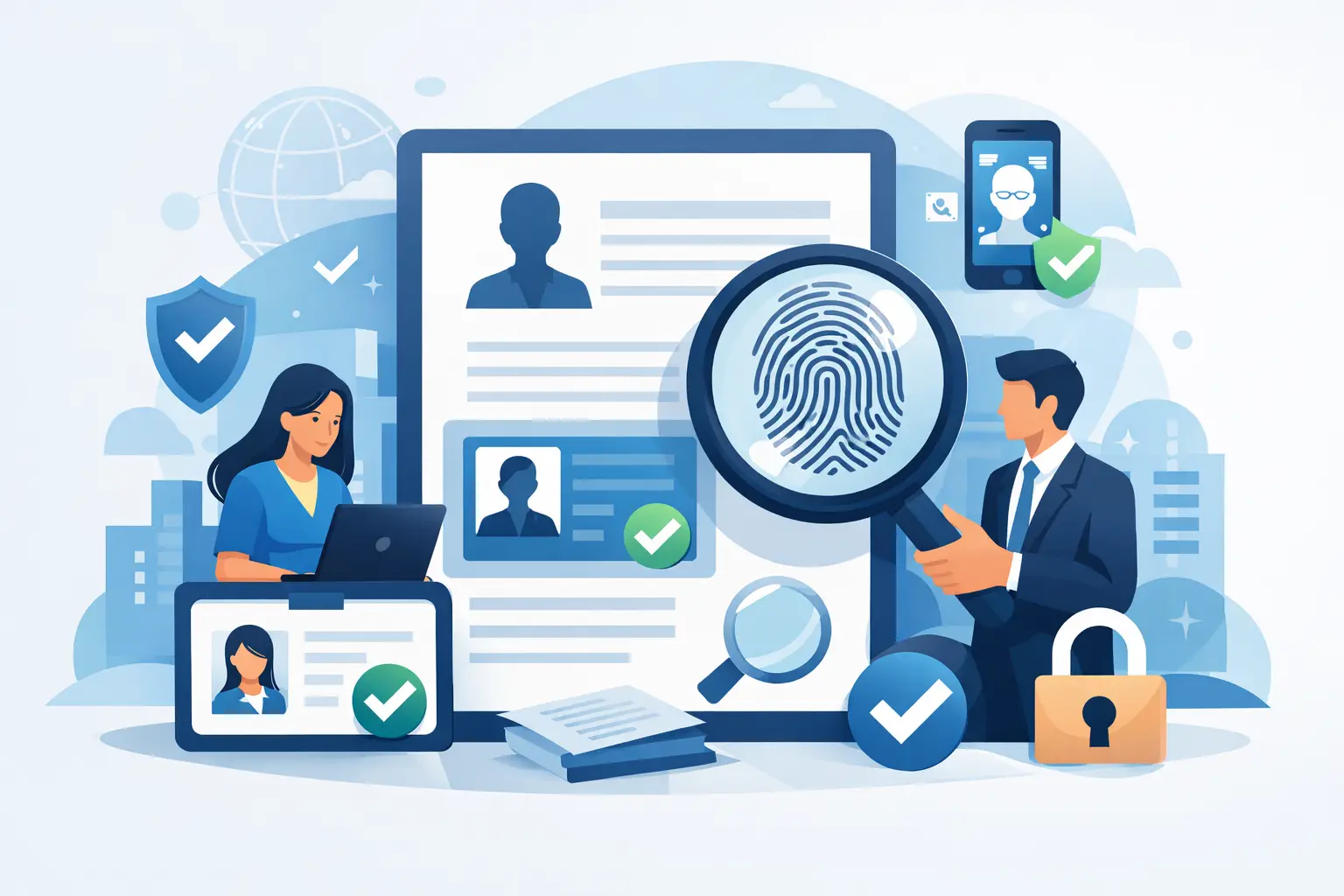
A document verification service is a professional review process used to confirm that the documents you submit are valid and match the requirements of a specific application. In travel and visa support, that usually means checking identity documents, financial records, travel proofs, employment papers, invitation letters, hotel bookings, insurance, and other supporting files.
The service can involve manual review, digital screening, or both. A trained team may inspect details such as names, dates, expiration periods, document quality, and consistency across forms. In some cases, software is also used to detect edits, incomplete scans, or signs that a file may not be authentic.
This matters because visa applications are often judged on documentation before anything else. If your documents are inconsistent or unclear, the issue may not be whether you qualify to travel. The issue may simply be that your file does not support your case properly.
Why Document Verification Matters for Visa Applications
When people ask what is document verification service, they are usually really asking a more practical question: will this help me avoid mistakes? In many cases, yes.
Visa requirements can be strict and destination-specific. One country may accept a certain bank statement format, while another may require more recent financial proof. Some applications need passport copies in a specific layout. Others require hotel confirmations, return tickets, or sponsor documents that match exact details in the application form.
A verification service checks whether your file actually fits those rules before submission. That can reduce common issues such as missing pages, spelling mismatches, expired documents, unsupported financial evidence, and unreadable uploads.
It also adds peace of mind for travelers in urgent situations. If you are planning a family holiday, a business trip, or a last-minute visit, you usually do not want to discover a paperwork problem after submission. By then, fixing it may cost time you do not have.
How a Document Verification Service Works
The process is usually straightforward, although the depth of review depends on the provider and the type of visa or travel application.
First, you submit your documents. These may include your passport, photographs, bank statements, proof of residence, employment letter, travel itinerary, hotel booking, and travel insurance. The exact list depends on where you are traveling and what kind of visa you need.
Next, the documents are reviewed against the destination’s requirements. This step checks whether the right documents are included and whether they are current, legible, and consistent. If your passport name does not match the name used elsewhere, or if your supporting papers are outdated, those issues are flagged early.
After that, you may be asked to correct, replace, or add documents. This is one of the biggest benefits of verification. Instead of submitting a weak file and hoping for the best, you get a chance to fix problems before the application moves forward.
In some cases, verification also includes fraud screening. That does not mean every traveler is under suspicion. It simply means the service may check whether documents look altered, incomplete, or suspicious from a technical standpoint. This protects both applicants and service providers from avoidable risk.
What Documents Are Usually Verified?
The answer depends on the destination and purpose of travel, but most document verification services review a similar group of records.
Identity documents are the starting point. That includes passports, national IDs where relevant, and passport-size photographs that meet the destination’s specifications. Travel history documents may also be reviewed if previous visas or entry stamps support your case.
Financial records are another major category. These can include bank statements, salary slips, tax documents, or sponsorship papers. For many visa applications, the goal is not just to show that you have funds. It is to show that the documents are recent, believable, and aligned with the details in your application.
Employment and business documents are also common. A leave letter, company ID, business registration, or proof of self-employment may be needed depending on the traveler’s profile. For family visits or sponsored travel, invitation letters and host documents often need verification too.
Then there are trip-specific records such as hotel bookings, return tickets, insurance, and itinerary details. Even if these seem simple, they still need to match the destination’s rules and the rest of your paperwork.
What a Verification Service Does Not Do
This part matters. A document verification service can improve your application quality, but it does not guarantee visa approval.
Approval decisions are made by embassies, consulates, or immigration authorities. Verification helps by reducing preventable document errors and making your file more submission-ready. It cannot change your travel history, immigration profile, or the final decision criteria used by the issuing authority.
It also does not mean every document will be accepted just because it is genuine. Some documents are real but still unsuitable for a particular visa category. For example, a bank statement may be authentic but too old, or an employment letter may be valid but missing information the destination requires.
That is why good verification is not just about spotting fake documents. It is about checking whether your documents are fit for purpose.
Human Review vs Automated Verification
Some providers rely heavily on software, while others combine technology with human support. Both approaches have value.
Automated verification can quickly detect basic issues such as file quality, missing fields, format problems, and possible image manipulation. It is useful when speed matters and when large volumes of documents are being processed.
Human review is stronger when nuance matters. A person can notice whether your documents tell a consistent story, whether a supporting letter should be updated, or whether a particular destination may expect additional proof based on your case. For travelers, this is often the difference between a simple upload check and real application support.
In visa assistance, the best approach is usually a combination of both. Technology helps with speed and accuracy, while expert review helps with judgment.
Who Should Use a Document Verification Service?
First-time travelers often benefit the most because they may not know what embassies look for or how small mistakes affect processing. But repeat travelers also use verification when they want faster handling, fewer surprises, and more confidence in time-sensitive applications.
It is especially helpful if you are applying for a visa with multiple supporting documents, traveling with family, using sponsor documents, or facing a tight travel deadline. These cases leave more room for paperwork issues, and small errors become more expensive when flights, hotel plans, or work schedules are already fixed.
For many travelers, the real value is not complexity. It is reassurance. A checked file simply feels safer than a self-submitted file built on guesswork.
Choosing the Right Document Verification Support
If you are comparing providers, look beyond the phrase document verification. Ask what the service actually includes. Some companies only check whether files were uploaded. Others review the documents against destination-specific visa rules and help correct issues before submission.
Clear communication matters just as much as speed. You should know what documents are required, what needs correction, and what timeline you are working with. A good service explains the process in plain language and gives you direct support when something is missing or unclear.
For travelers who want both visa guidance and travel planning support, working with a managed service can be more practical than handling documents on one platform and trip logistics somewhere else. That kind of support is one reason travelers choose providers like Trawego, especially when fast processing and document accuracy both matter.
A Smarter Way to Protect Your Travel Plans
If you have ever wondered what is document verification service, the simplest answer is this: it is a quality check for the paperwork your travel plans depend on. It helps catch missing, unclear, outdated, or inconsistent documents before they slow down your application.
When travel is time-sensitive, paperwork should not be left to chance. A careful document review cannot promise approval, but it can give your application a cleaner start – and that is often the difference between a smooth process and a stressful one.