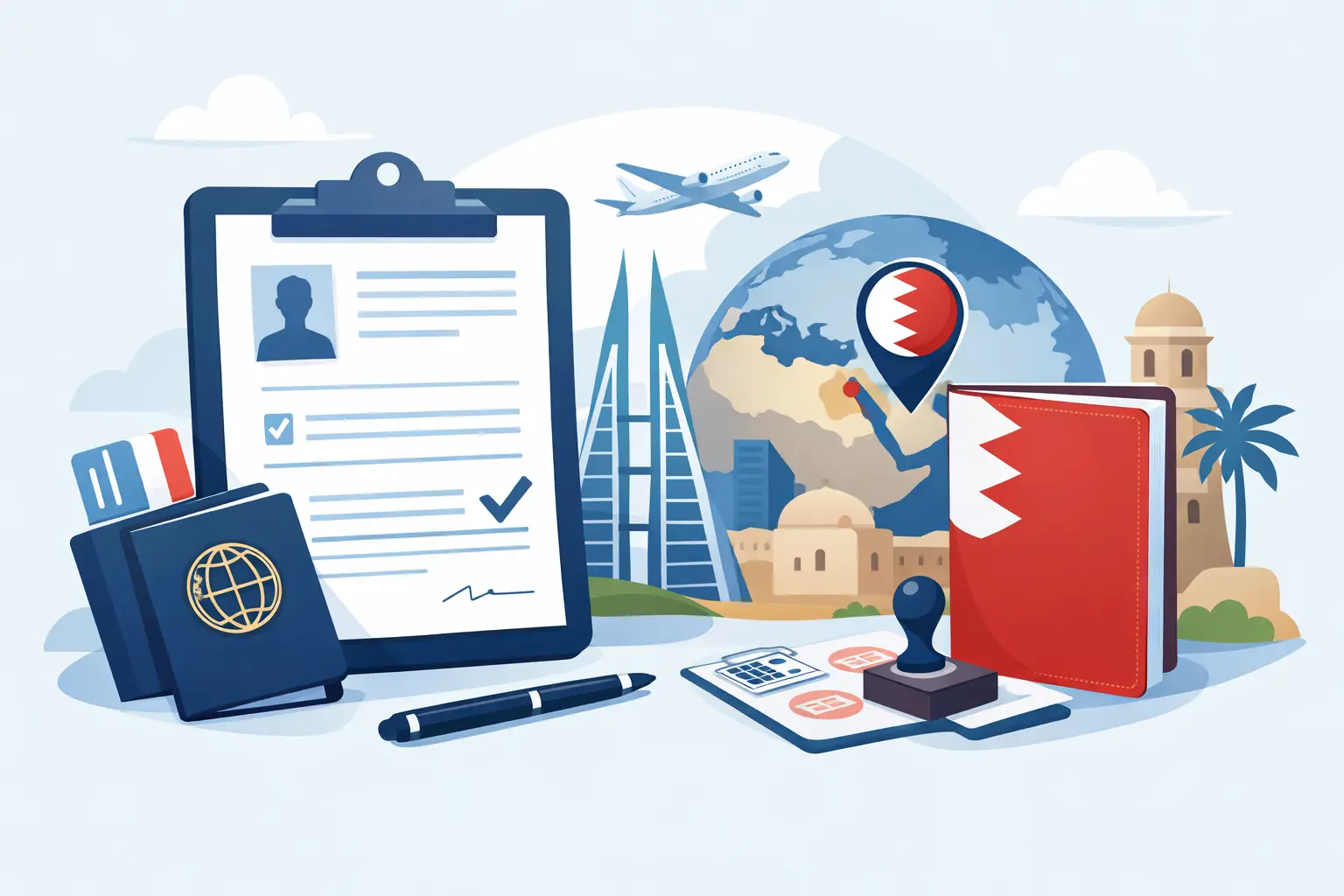
A visa refusal often starts long before the embassy reviews your case. It starts with a missing bank statement, an unclear travel plan, or a passport copy that does not match the application details. If you want to improve your chances, understanding the top documents for visa approval is not just helpful – it is where a strong application begins.
Most travelers assume visa approval is only about eligibility. In reality, documentation quality matters just as much. Embassies and immigration teams are trying to answer a few simple questions: Who are you, why are you traveling, can you afford the trip, and are you likely to follow the visa rules? Your documents should answer those questions clearly, quickly, and without contradiction.
Why the right documents matter so much
Visa officers do not have time to interpret a messy file. They are looking for consistency across your passport, application form, financial records, travel plan, and supporting letters. When your file is complete and easy to verify, it creates confidence. When details are vague or conflicting, even a genuine traveler can face delays or rejection.
This is why document preparation is not just paperwork. It is presentation. A strong file shows that your travel purpose is real, your funding is credible, and your return plans make sense. The exact list changes by country, but the logic behind visa screening stays surprisingly similar.
Top documents for visa approval in most cases
A valid passport
Your passport is the foundation of the entire application. It should usually have at least six months of validity beyond your intended travel dates, along with enough blank pages for visa stamps where required. If your passport is damaged, near expiry, or has inconsistent personal details, it can create problems immediately.
If you hold old passports with previous travel history, those can also help in some cases. A record of lawful travel and timely returns can strengthen credibility, especially for destinations with stricter screening.
A correctly completed visa application form
A simple form causes a surprising number of refusals. Dates, names, passport numbers, marital status, employment details, and travel history must match the supporting documents exactly. Even small mistakes can trigger extra scrutiny.
If a section does not apply, handle it properly rather than guessing. An incomplete form makes your file look careless. A well-prepared one signals reliability before the officer reviews anything else.
Recent passport-size photographs
Photo requirements vary more than travelers expect. Size, background color, facial expression, and even the age of the photo can matter. Submitting the wrong format may seem minor, but it can delay processing or lead to a rejected application intake.
This is one of those areas where following the destination-specific checklist matters more than using a general travel photo you already have.
Proof of travel plans
Embassies want to see a believable itinerary. That usually means confirmed or reserved flight details, hotel bookings, or accommodation information. For family visits or business travel, it may also include an invitation letter with the host’s details.
A travel plan does not need to be extravagant. It needs to be coherent. Your stay dates, destination, purpose, and accommodation should align with the application form and with the type of visa you are requesting.
Proof of sufficient funds
Financial documents are among the top documents for visa approval because they help prove you can manage the trip without violating visa conditions. This often includes recent bank statements, salary slips, tax records, or proof of savings.
What matters most is not only the balance. Officers also look at transaction patterns, stability, and whether the funds appear genuine. A sudden large deposit right before application can raise questions if there is no clear explanation. Steady financial records usually perform better than rushed last-minute account activity.
Employment or business proof
If you are employed, a letter from your employer can support your case by confirming your role, salary, and approved leave dates. If you run a business, trade licenses, registration documents, tax filings, or company bank statements may be relevant.
This part of the file helps establish your ties to your home country. It shows that you have a reason to return after the trip. For many destinations, strong home ties matter just as much as strong travel funding.
Travel insurance
Some visas require insurance as a mandatory submission, especially for certain regions. Even where it is optional, insurance can add credibility because it shows practical travel readiness. The policy should match the trip dates and coverage requirements set by the destination.
Do not treat insurance as an afterthought. Submitting a policy with the wrong dates or insufficient coverage can create avoidable problems.
Cover letter or explanation letter
A good cover letter can make the entire file easier to understand. It should briefly explain who you are, why you are traveling, how long you will stay, who is funding the trip, and what documents are attached.
This is especially useful if your case has details that need context, such as self-employment, sponsorship by a relative, recent job changes, or a short travel timeline. The letter should clarify, not oversell.
Documents that matter more in specific situations
For sponsored travel
If someone else is paying for your trip, you may need a sponsorship letter, the sponsor’s bank statements, ID or passport copy, and proof of relationship. This is common for family visits, dependent applicants, and some student or leisure travel cases.
Sponsorship can strengthen an application when it is properly documented. It can also weaken one if the sponsor’s paperwork is incomplete or the relationship is not clearly proven.
For family visits
Invitation letters, residence proof of the host, and relationship documents such as birth or marriage certificates may be required. The exact rules vary, but the goal is the same: prove the visit is real and the host is genuine.
For business travel
A company invitation, event registration, conference details, and letters from both the sending and receiving organizations often carry weight. Business visas tend to focus heavily on purpose and legitimacy, so vague meeting plans are not ideal.
Common mistakes that weaken a visa file
The biggest problem is inconsistency. If your application says you are staying five days but your hotel is booked for eight, that mismatch will be noticed. If your bank statement shows limited funds but your itinerary suggests a high-cost trip, the story does not hold together.
Another common issue is over-documenting the wrong way. More papers do not always mean a stronger application. Ten unclear documents are less helpful than five accurate ones. What works best is a clean file with relevant proof, current records, and matching details.
Poor scans, cropped passport copies, unreadable statements, and unsigned letters also create avoidable delays. A file should be easy to review on screen and easy to verify if checked.
How to organize the top documents for visa approval
Start by checking the destination’s exact checklist, then build your file in the same order. Put identity documents first, then application forms, travel proof, financial documents, employment proof, and any special supporting letters. This makes the file easier for both you and the reviewer.
Before submission, compare every date, spelling, passport number, and address across all documents. This step sounds basic, but it catches many of the errors that lead to follow-up questions or rejection.
It also helps to think like an officer. If someone who does not know you opens your file, can they understand your travel purpose in two minutes? Can they see how the trip is funded? Can they tell why you are likely to return? If the answer is yes, your application is in much better shape.
When professional help makes sense
Some visa applications are straightforward. Others involve sponsorship, urgent travel, dependent family members, mixed income sources, or destination-specific rules that change often. In those cases, guided support can save time and reduce mistakes.
A managed visa service is especially useful when timing matters. Instead of guessing which bank statement version to upload or whether your invitation letter is enough, you get clarity before submission. That reduces back-and-forth and helps protect your application from basic errors that should never have happened.
For travelers who want speed, clean documentation, and real human support, this is where an experienced partner such as Trawego can make the process feel far less stressful.
The strongest visa files are rarely complicated. They are clear, consistent, and built around the right evidence. If you focus on accuracy over volume and prepare your documents with care, you give your application the best chance to move forward without unnecessary friction. That extra attention before you apply can save far more time than any last-minute fix afterward.